Our Programmes
Empowering Girls and Women
Empowering girls and women is a crucial aspect of promoting gender equality and fostering social and economic development. Gender inequality persists in many parts of the world, limiting the opportunities and potential of women and girls. Empowerment involves providing them with the tools, knowledge, and support they need to make choices and control their own lives. Here are some key ways to empower girls and women.
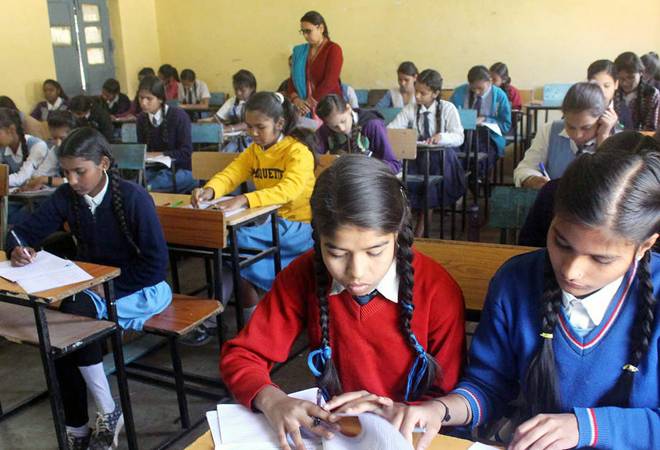
Ensure that girls and women have access to quality education. Education is a fundamental right and a powerful tool for empowerment. It not only increases their knowledge and skills but also enhances their confidence and decision-making abilities.
Access to healthcare services, including reproductive health, is essential for women’s well-being. When women are healthy, they can participate fully in society and pursue their goals.
Equal Access to Education
Equal access to education is a fundamental human right and a critical component of achieving social justice, economic development, and sustainable progress in any society. Unfortunately, barriers to education still exist in many parts of the world, particularly for marginalized groups, including girls, children with disabilities, refugees, and those living in poverty. Ensuring equal access to education is essential to address these disparities. Here are some key strategies and considerations for achieving equal access to education.
We associate and support government established enforcement laws and policies that guarantee equal access to education for all, irrespective of gender, race, disability, socioeconomic status, or other factors. This includes anti-discrimination laws and policies that address the unique needs of marginalized groups.
Digital Literacy and Innovation
Digital literacy and innovation are closely interconnected in the modern world. Digital literacy refers to the ability to use, understand, and navigate digital technologies effectively, while innovation involves the creation and application of new ideas, processes, products, or services to bring about positive change. Here’s how digital literacy and innovation are related and why they are important.
Digital literacy provides individuals and organizations with the foundational skills and knowledge required to leverage digital tools and technologies for innovative purposes. Being digitally literate allows people to explore and experiment with technology, ultimately fostering a culture of innovation.
Digital literacy enables people to access a vast amount of information and resources available on the internet. This access can inspire creativity and drive innovation by exposing individuals and businesses to new ideas, trends, and solutions.